
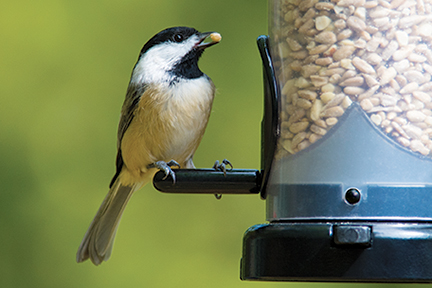

Keeping Bird Seed Fresh and Healthy for the Birds
Fresh, top quality seed and seed blends are the foundations for successful backyard bird feeding. Under normal storage and use conditions, seed will stay fresh and healthy for birds until it is completely consumed. However, unusually wet or humid weather conditions or periods of slow bird activity can potentially cause birdseed to deteriorate or spoil. The following recommendations will help to ensure that the seed you provide your birds will always be healthy and nutritious:
- Always store your seed in a cool and dry location.
- Store seed in rodent and insect proof containers.
- If the seed containers are kept outdoors, secure the lids so that animals cannot get in and contaminate the seed.
- Never mix old seed with new seed.
- During periods of warm weather, store no more than a two-week supply of seed at a time.
- During the winter, store only the amount of seed that your birds can consume over a four-week period and be sure to completely use your winter supply of birdseed before warm weather arrives.
- Keep your bird feeders filled with a one or two day supply of seed to ensure it is eaten quickly and stays fresh.
- Discard moldy, rancid or foul-smelling seed, because it can be a health hazard to birds.
A note about bird seed and bugs:
Any seed can become infested with grain moths and weevils. While this is not a preferable situation, it does not mean the seed is unfit for use. In fact, the insects will be eagerly consumed by many of the birds at your feeders.
Should your seed become infested, be sure to store the seed outdoors and not inside your house or attached garage. If you wish to eliminate the bugs in your remaining seed, place it in a freezer for five days. For ease of use, divide your seed into smaller baggies and remove them from the freezer the day before you intend to use it.
Once the infested seed is used, be sure to thoroughly clean your storage containers before refilling with fresh seed.